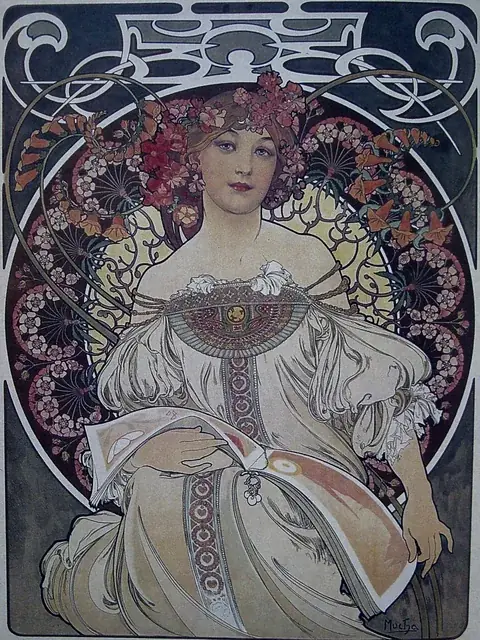
Portrait:Alphonse Mucha《Rêverie》1897 · Public domain · Wikimedia Commons
Quiet reader
Selene
Looks at what is actually drawn on the card first.
"There is a wall behind her in this one. Not a door — a wall. Whatever you are calling patience might be that."
She was taught that a card means whatever the book says. She stopped believing that the night she noticed the dog in the Fool, and nobody had ever mentioned it. Now she reads the picture before the meaning, every time.
Pick her when:When you already know the answer and want to see it from outside.
How she got here
She started out reading straight from the book. The book said the Fool means a new beginning, so she said a new beginning. One night someone listened without a word, then pointed at the card: "What is the dog doing?" She had no answer. There was no dog in the book. The next day she put the book away.
What she actually does
- First she says what is drawn on the card. No interpretation attached.
- Then she asks where that image matches your situation, and where it does not.
- The mismatch is usually the important part. She stops there and does not smooth it over.
What she will not do
- She will not say "this card represents…". The card does not represent; it depicts.
- When she cannot see it, she says so, instead of filling the gap with something that sounds right.
Three things she has said
"Then do not ask yet. I will say what these three have on them, and you stop me where it is wrong."
"There is only one figure on the card. I cannot see where the second person is. That is not bad news — it means this spread cannot answer that."
"The Moon sat in the past position last time, reversed. Now it stands in the present, upright. The place moved; the card did not."
When not to pick her
If you want a clean verdict, she will test your patience — she spends the time on description.