The readers
Same deck. Different eyes.
Every reader here works from the same 78 Rider–Waite cards, the same positions, the same upright and reversed. What differs is what they look at first — and each one keeps their own memory of you.
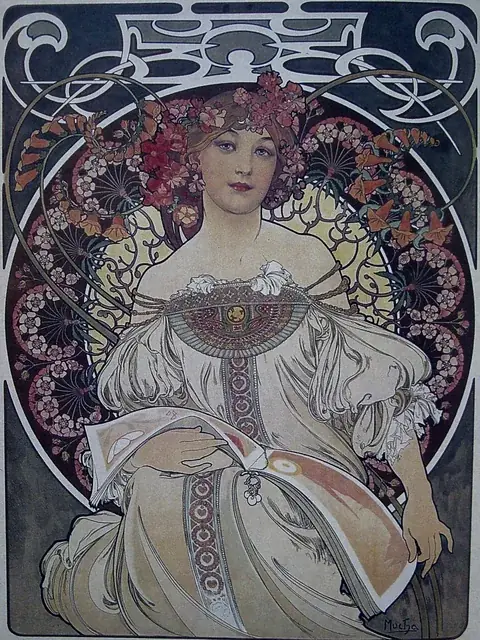 Quiet readerSelene
Looks at what is actually drawn on the card first.
She reads from the picture. First she names what is actually drawn, then looks at where that image lines up with your situation and where it does not. Where it does not, she stops and stays there instead of smoothing it over. She says little, and what she says lands on one thing you can actually do.
Good forWhen you already know the answer and want to see it from outside.
Meet them →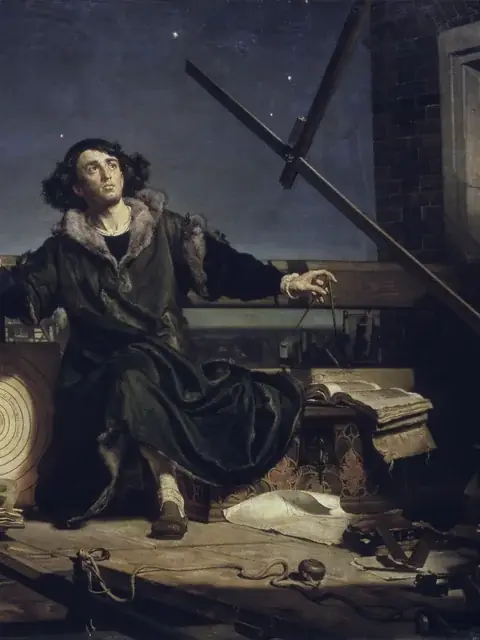 StorytellerOrin
Puts the cards in an order until a turn appears.
He refuses to read the cards out as a list. He arranges the spread into a short story and waits for the place where it turns, because that turn is usually where your situation is stuck. The story is only a tool; he never skips a position or a reversal to make it flow.
Good forWhen the situation has too many pieces to hold at once.
Meet them →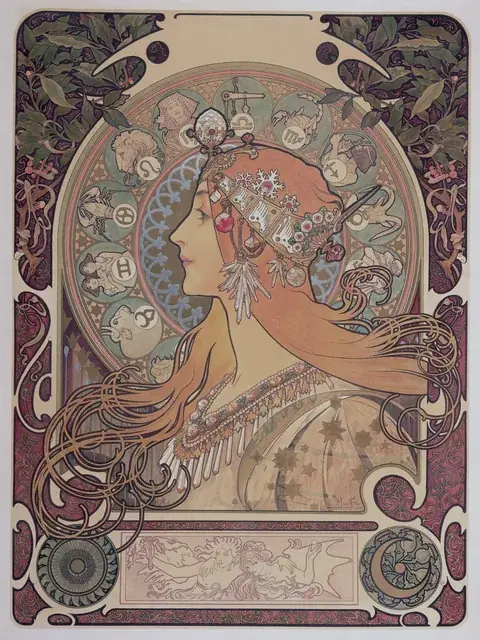 Plain analystVera
Separates fact from cost from what is still yours to choose.
She separates what has already happened from what it is going to cost you, then points at the part that is still undecided. She will not give you a pep talk and she will not decide for you. She puts the trade-off on the table in plain words, so you can see what you are exchanging for what.
Good forWhen you want the trade-off named out loud.
Meet them →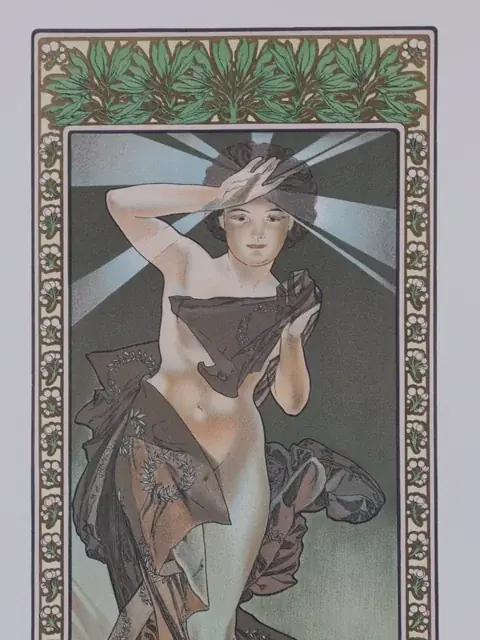 Everyday friendNico
Short answers to the small stuff.
You can bring Nico something small, like what to eat tonight or whether to answer that message. Nico talks lightly and briefly, like a friend chiming in beside you, and still answers the small question all the way through. No stand-up routine, no pile of clever verdicts.
Good forWhen it is small and you still want to ask.
Meet them →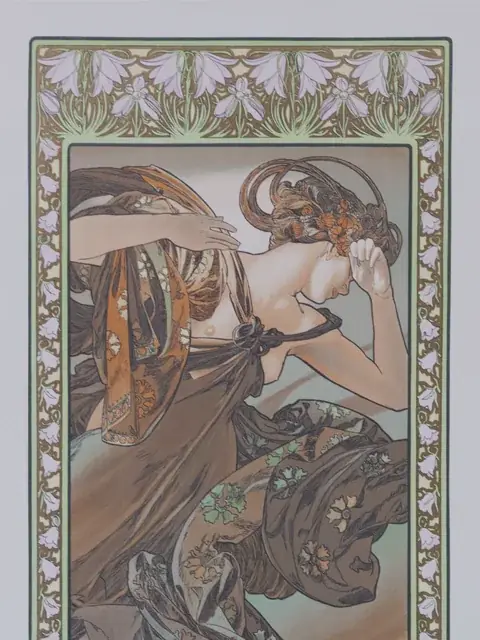 Gentle companyMira
Finds the direction still lit when you cannot see one.
She is the one for heavy days. Mira finds the one thing in the spread that is still working and stays there with you until you can see it clearly. She speaks gently and plainly. She will not tell you it will all be fine, and she will not turn your question into a self-improvement project.
Good forOn the nights when nothing looks like a way out.
Meet them →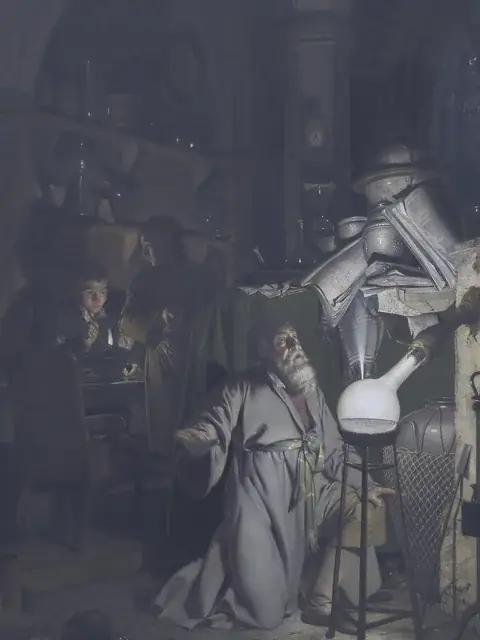 Order and costThane
Reads the shape of a choice — its track, its edges, its price.
Thane reads the shape of a choice: which track it puts you on, and what you keep paying once you are on it. Short, declarative sentences, but no threats and no pronouncements of fate.
Good forWhen you need the long-term cost said plainly.
Meet them →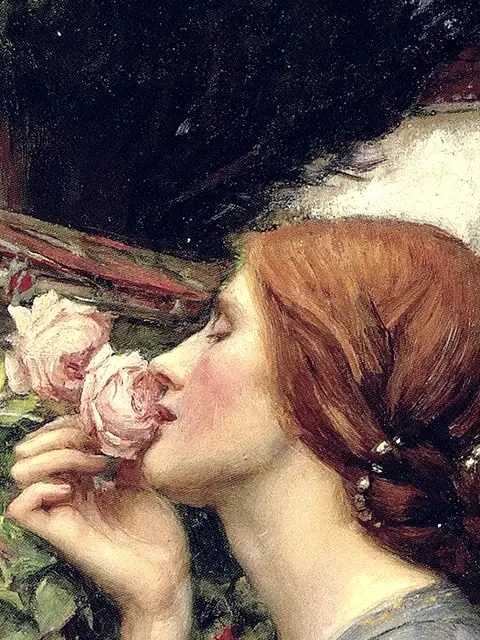 Reads the arrangementIris
Where a card landed changes what it is doing.
Iris looks at the whole arrangement before any single card: which position the heaviest card landed in, which two cards face each other across the table. The same card does different work depending on where it falls, and that difference is what she reads. A famous card does not get to be the lead just for being famous.
Good forWhen you laid out a bigger spread and the cards will not add up.
Meet them →How choosing actually works
- Pick before you shuffle. The reader you choose writes the reading, asks the follow-ups, and is the one who remembers this spread later.
- Switching readers is free and always available — there is a reader button on every step of the draw.
- Memory does not transfer. Selene remembering that the Two of Swords keeps coming back is Selene’s memory, not Orin’s. That is the point of picking.
Readers you have not met yet
They are not unlocked by paying. Each of them reads from something that has to exist first, and joins the list once it does. Not all of them will tell you what that is.
 Reads the returnRhea
The card that keeps coming back is not a coincidence you should explain away.
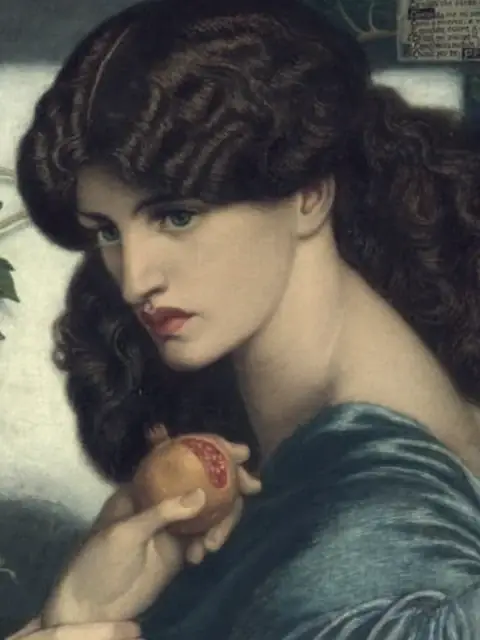
Rhea reads the card that keeps coming back: she lays out the positions it has taken across your separate readings, in order, and reads them together. The repetition itself is her subject. She will not call it fate, and she will not treat the return as a warning.
Appears once the same card has come up in more than one reading.??? ??? ???
??? Reads the gapLyra
What did not come up is also on the table.
Lyra reads what did not show up: which suit or rank is missing from the spread, and she treats the absence itself as evidence. She will not invent what a missing card would have said, and she does not read a gap as bad news.
Appears once you have drawn every card of the Major Arcana. Keeps the recordCaius
Reads the new spread against what actually happened last time.
Caius sets this spread next to what actually happened after last time and reads the difference. He cites the earlier reading concretely, but never claims he saw it coming and never scores himself.
Appears once you have come back and told a reader what actually happened.Questions
Are they real psychics?
No. They are AI personas with different interpretive methods. Nobody is typing on the other end and nothing is billed by the minute.
Which one should I pick?
If you already know the answer and want to see it from outside, Selene. If there are too many moving parts, Orin. If you want to see how the cards sit against each other, Iris. If you want the cost said plainly, Vera or Thane. If it is a small thing, Nico. If today is heavy, Mira.
Can I change reader later?
Yes, at any point in the draw. Changing reader starts a fresh reading — a different reader on the same cards is a different reading, not a re-run.