Readings by topic · Decisions
Tarot for a decision you keep re-making
The hard decisions are not the ones with no answer. They are the ones you have answered four times this week, differently each time. A decision reading does not make the choice. It shows what each side is actually made of, what it will keep costing, and the part you have not been looking at.
How it goes
Write both options, and what you have already ruled out
Name the two things concretely. If you already know one of them is not really on the table, say so — otherwise a card gets spent on it.
Scales or Crossroads
Scales, when it is genuinely two things and you keep collapsing them into one: this side, that side, each read alone. Crossroads, when you have been re-deciding for a while: it adds what ends either way, the tension, the hidden part, and where it goes if nothing changes.
Pick a reader by what you need back
They differ in what they hand back. Thane will not soften the cost of either path. Vera tends to land on one sentence that states the trade. Iris reads each card by the position it landed in.
Decide, then let the reading come back
Set it to return after you have chosen. Tell the reader what you did and what happened; it goes into their memory, and your next hard choice is read against this one.
Questions that give the cards something to work with
Two real options Scales · 2 cards
Taking the job in another city or staying near my family — what is each one, with the other set down?
Ask this →Going back to school or staying where I am — what is each side made of?
Ask this →
When you keep changing your mind Crossroads · 5 cards
I have decided three times and undone it three times. What makes the two sides feel equally heavy?
Ask this →What is ending regardless of which way I go?
Ask this →
Already chosen, not yet said Mirror · 1 card
I have made the decision. What am I bracing for in saying it?
Ask this →
The one that has sat on you for months The Cross · 10 cards
Whether to move back home has been sitting on me since spring. Lay all of it out.
Ask this →
The same worry, asked two ways
| Instead of | Try | Why it reads better |
|---|---|---|
| Which one is right? | What does each option cost me a year from now, not just next week? | There may be no right one — only two costs. Seeing both from the same distance is most of the work. |
| Tell me what to do. | What am I not looking at in this choice? | The choice is not the card’s to make. Crossroads has a position for the part you have been avoiding, and that is often where it was decided all along. |
| Which of my four plans should I pick? | Of the two I keep coming back to, what is each one made of? | Four options usually means two real ones and two escape hatches. Scales holds two. |
| Will I regret it? | What would I need to believe to stop re-deciding? | Regret lives in a future the cards cannot see. What keeps the question open is here now. |
Spreads and readers that suit it
Spreads
When it is genuinely two things and you keep blurring them.
Crossroads 5 cardsWhen you have been re-deciding for a while and want what sits under the choice laid out.
Mirror 1 cardWhen you have already decided and want it said out loud.
The Cross 10 cardsWhen one question has been sitting on you for months and you want all of it laid out at once.
Readers
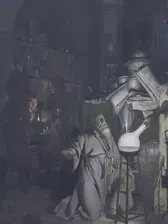 Thane Order and cost
Will not soften the cost of either path, and will not decide for you — he gives you the shape, not the answer.
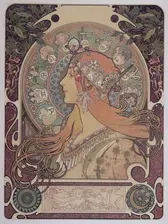 Vera Plain analyst
Tends to land on one sentence that states the trade in a single breath.
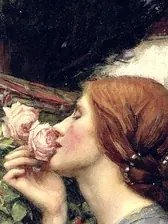 Iris Reads the arrangement
When a bigger spread will not add up, she reads it from the positions.
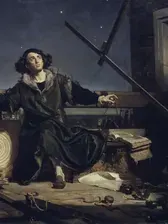 Orin Storyteller
When there are too many pieces to hold at once, he orders them into a short story with a turn in it.
Cards that often carry the weight
Cards that tend to turn up around a choice. Each line is from the card’s own page.
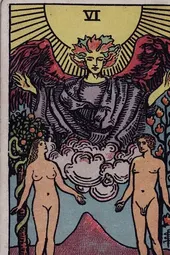 The Lovers · Upright
A choice that costs something whichever way it goes. That cost is the actual content of the card.
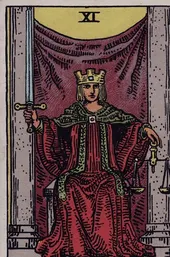 Justice · Upright
Not punishment. Arithmetic.
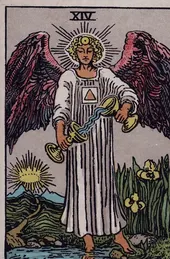 Temperance · Reversed
The proportion slipped a while ago. One side is now doing most of the holding.
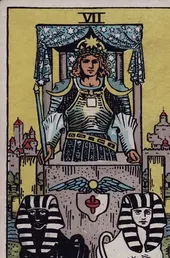 The Chariot · Reversed
The two are pulling hard enough now that motion has stopped. Force is still being spent.
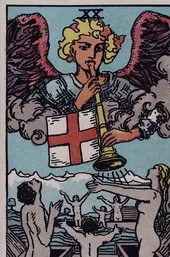 Judgement · Reversed
Rehearsing the same verdict without delivering it. The call has been sounding for a while and you have heard it, and you know that you have heard it. What stops the delivery is not doubt; it is that afterwards there is no way back.
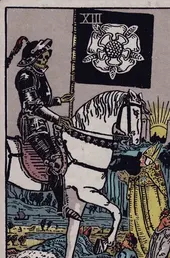 Death · Upright
Something is ending on its own schedule, not yours. What comes after is already in the frame.
What people expect, and what happens here
| Often expected | Here |
|---|---|
| It picks an option for you. | The decision stays with you. Thane, for one, puts it plainly: he gives you the shape, not the answer. |
| A pros-and-cons list with extra steps. | Positions a list does not have: what ends either way, why both sides feel equally heavy, the part you have not been looking at. |
| It tells you how it will turn out. | The last position is not a prediction. It is the shape this takes if it keeps going as it is — which you can change. |
| Draw again if you do not like it. | If you are unhappy with the reading, that reaction is telling you which side you were hoping for. |
Where it stops
Money, health, law
Which investment, which treatment, whether to sign — take those to someone qualified. The reader will say so plainly and read only the symbolic layer.
Decisions that are really someone else’s
Whether they will agree is their choice. You can ask about whether to ask.
When you are not safe
If one of the options puts you or someone else in danger, set the cards aside and talk to a real person now.
The fourth time
Three sittings on one decision have usually said what there is to say. After that, the answers drift toward the one you wanted.
Questions people ask first
Can tarot help me make a decision?
It can help you see the decision — what each side is made of, what it keeps costing, what you have been avoiding. It will not make it for you.
What is the best tarot spread for choosing between two options?
Scales, if it is simply two things you keep blurring together. Crossroads, if you have been re-deciding for a while and want what sits underneath the choice laid out.
What if I do not like the answer?
Notice which answer you were hoping for. That is often the decision, arriving from the side.
Should I draw again if I am still unsure?
Once more on a different day, with the question sharpened, can help. The same question three times in a row usually cannot.
Is it free?
A one-card reading is free for everyone, always. Scales and Crossroads need an account.
Other topics
Love
Reading your side of a relationship — not the other person’s mind.
Yes or no
One card gives a lean, and what the lean depends on.
Work & career
For work questions that are really about cost.
Worth reading first
One card, three cards, or none
A bigger spread is not a more accurate one. The card count decides how much complexity this reading can carry; past that, it blurs.
Six things tarot cannot answer
Without a stated boundary the rest is not credible. These six are limits written into the readers themselves, not a disclaimer.
How to word a question the cards can answer
The same cards yield very different readings depending on how you ask. Not because the deck is picky — because the question decides where an answer is allowed to land.